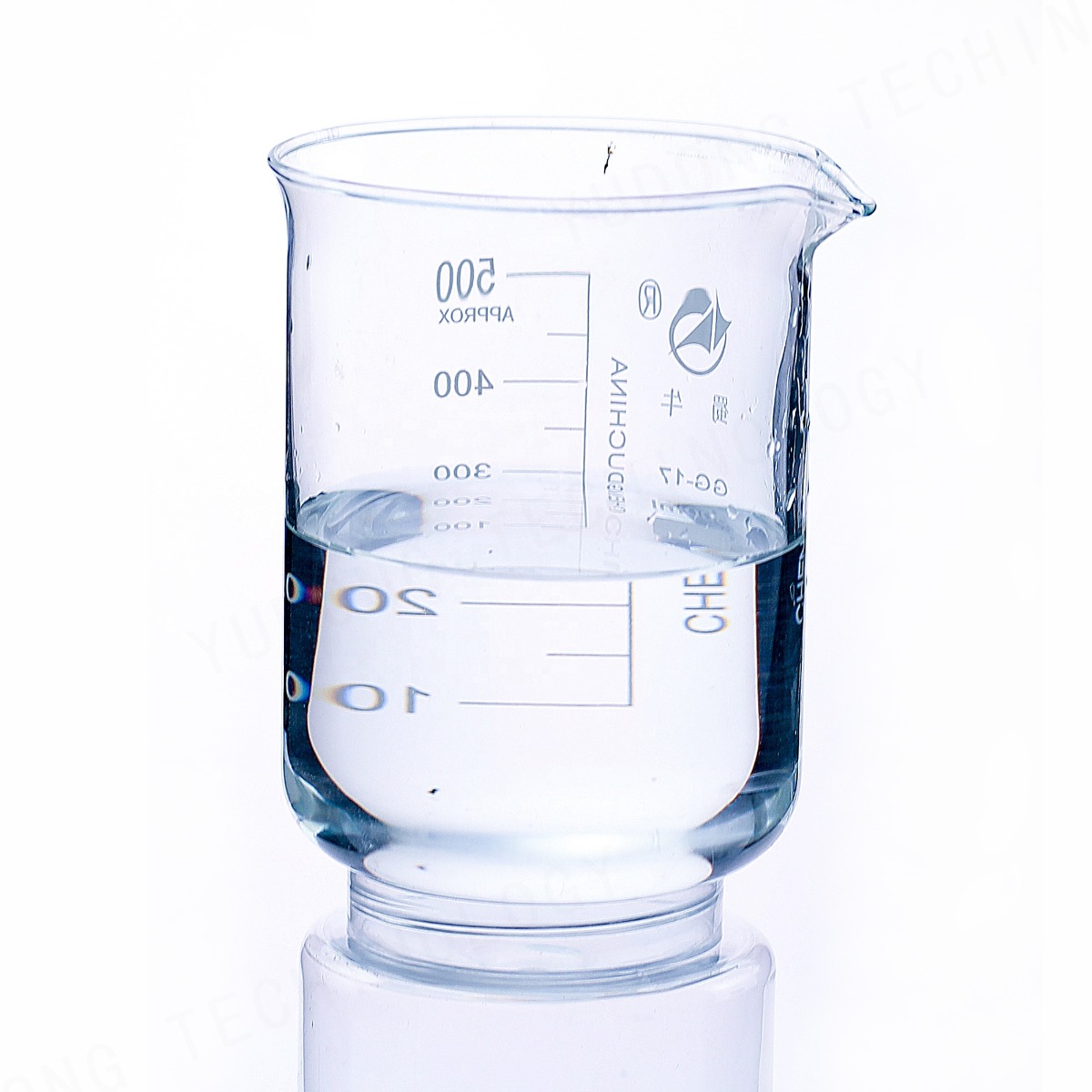
Acrolein Dimethyl Acetal (3,3-Dimethoxypropene, 98%)
$ 98.49
QUESTIONS? Call 253-297-4570 8:00AM - 6:00 PM PACIFIC
Description Chemical Specifications Property Value Chemical Name Acrolein Dimethyl Acetal IUPAC Name 3,3-Dimethoxyprop-1-ene Common Synonym 3,3-Dimethoxypropene Molecular Formula C5H10O2 Molecular Weight 102.13 g/mol Purity ≥ 98% CAS Number 926-65-8 Appearance Clear, colorless to pale yellow liquid Boiling Point ~103–105°C Density ~0.89 g/mL at 25°C Solubility Soluble in most organic solvents; limited water solubility Flash Point ~20°C (68°F) – Flammable Description and Chemical Structure 3,3-Dimethoxypropene is the dimethyl acetal derivative of acrolein, meaning it is more stable than acrolein itself but retains its reactive properties through the allyl group (C=C double bond). This dual functionality allows it to be used in a variety of reactions, especially where a protected aldehyde or reactive enol ether equivalent is needed. The compound is particularly attractive for its ability to participate in nucleophilic additions, Diels-Alder reactions, and cyclization processes, making it a staple in organic synthesis, especially in the pharmaceutical and agrochemical sectors. Applications 1. Synthetic Intermediate Acrolein dimethyl acetal is a highly versatile building block in synthetic organic chemistry. Its combination of an alkene and acetal group makes it ideal for multi-step syntheses, including: Aldehyde protection and regeneration Carbon-carbon bond formation Heterocyclic compound synthesis 2. Pharmaceutical and Agrochemical Development It is used in the development of active pharmaceutical ingredients (APIs) and intermediates for crop protection agents, often as a masked aldehyde or enol ether in selective reactions. 3. Research and Development This compound is frequently utilized in R&D environments for method development, asymmetric synthesis, and in exploring reaction mechanisms involving acetal and alkene functionality. Safety and Handling Guidelines As a flammable and reactive compound, acrolein dimethyl acetal should be handled with caution: Store in cool, dry conditions away from light and heat Use with adequate ventilation Wear appropriate personal protective equipment (gloves, goggles, lab coat) Avoid contact with strong acids, bases, and oxidizers Though more stable than acrolein, it can still release toxic fumes upon decomposition and should be kept in airtight containers. Conclusion Acrolein Dimethyl Acetal (3,3-Dimethoxypropene, 98%) is a powerful reagent in organic chemistry, valued for its reactivity, versatility, and high purity. Whether used as a protected aldehyde, a synthetic intermediate, or a reagent in pharmaceutical synthesis, it offers significant utility for professionals in both industrial and academic labs. With proper handling, it remains a vital tool in modern organic synthesis and innovation.
Our goal is to answer all of your questions in advance so your purchase and installation goes as smooth as possible. We want to help you choose the right product for your vehicle and your priorities.
Since most electronic products are not eligible for return and refund once installed, and those that are will incur a restocking fee, it is critical that you understand the features and limitations of the products you are considering.
Please call 253-297-4570 if you have any questions about the products you are considering before your purchase or for support after your purchase, and we will be happy to help!
Please also take time to visit our POLICIES PAGE for more information and to review our policies regarding your purchase.
Related products
15.6" SCREEN!